


The world, as a whole, is very closed off to immigration. There are very few places that will allow you to live and work there without some sort of special circumstance or citizenship. Especially if it’s a place that has a functioning form of government and economy — not everyplace does. But there is still one place where you (likely) can move to and work legally if you want… Svalbard!
Side note: Prior to getting my degree in Geography, I totally though Svalbard was a mythical place from Norse lore. Imagine my surprise when I found out it was real! 😮
Svalbard is the northernmost continuously inhabited place on Earth. And despite its arctic temperatures and rugged terrain, over 2,500 people call it home. Which is surprising because, Svalbard, as a whole, is not what I would call the most hospitable of environments nor is it particularly easy to get to.
Svalbard is an archipelago in the Arctic Ocean, approximately halfway between mainland Norway and the North Pole. Overall, it spans approximately 61,000 square kilometers of towering mountains, expansive glaciers, and deep fjords. The largest and most significant island is Spitsbergen, where most of the population and infrastructure are located. For the rest though? Mostly uninhabitable. In fact, glaciers cover about 60% of the entire archipelago, with Austfonna on Nordaustlandet ranking among Europe’s largest ice caps (oh yes, we’re still in Europe up here!).
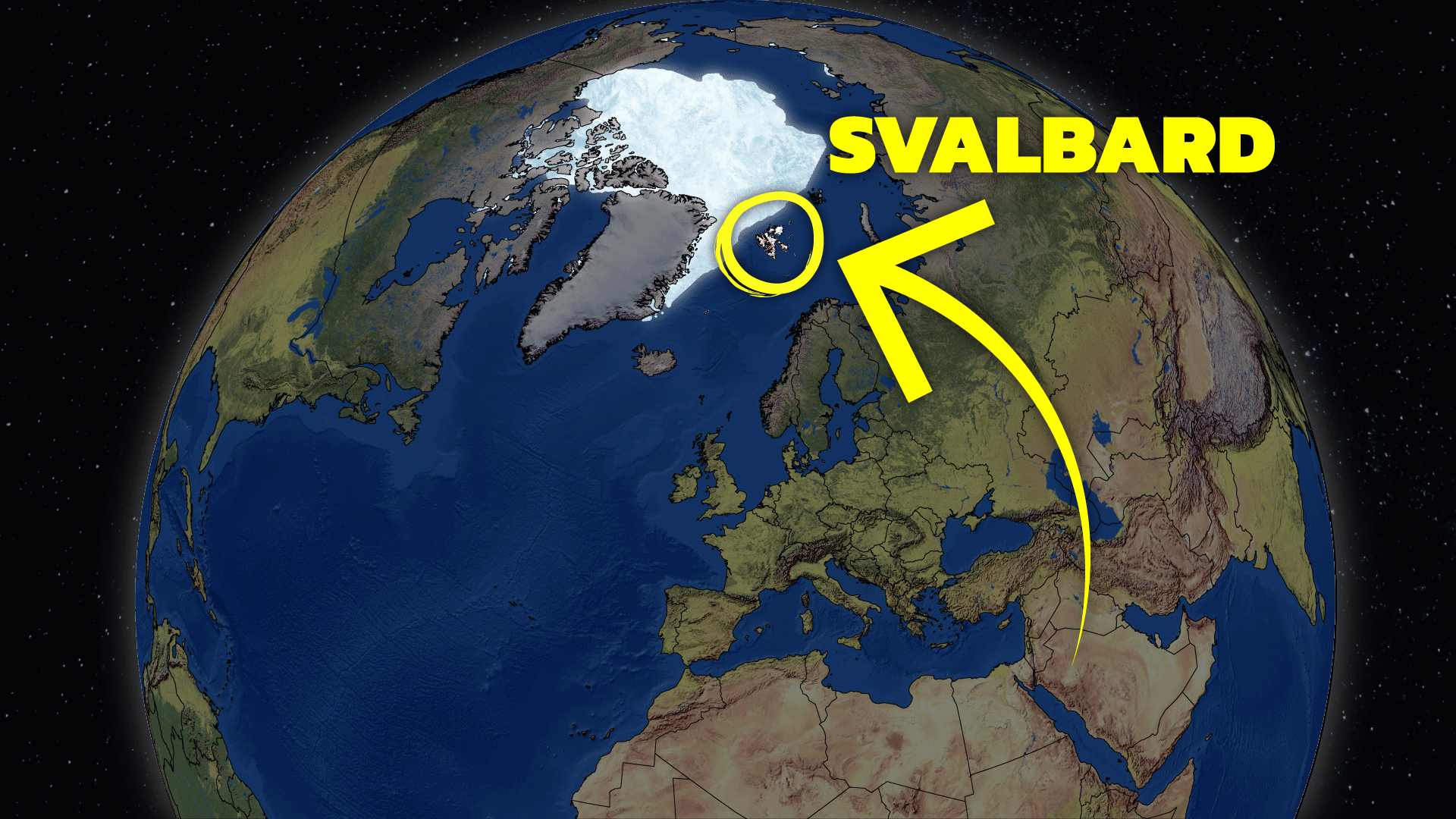
Now, despite its Arctic location, Svalbard’s climate is relatively mild due to the Gulf Stream. Key word here is relatively. It’s still very cold in Svalbard, but given just how far north it is… it would be colder were it not for the Gulf Stream. And, of course, winters are long, cold, and dark.
But this all leads to the question: if Svalbard to so cold and inhospitable: why and how did people move there in the first place?
The earliest recorded sighting of Svalbard dates back to 1596, when Dutch explorer Willem Barentsz stumbled on it as he searched for a northeast passage to Asia. And because it had a lot of pointed and prominent mountains her named it Spitsbergen. Now despite having been the first documented European to arrive, there is evidence that suggests Pomor hunters from Russia may have visited even earlier. But that’s besides the point.
During the 1600s and 1700s whalers were the primary occupants of Svalbard due to abundant whale populations. These whalers created temporary settlements which thrived until overharvesting decimated the whale population. Back then, a surprising amount of the world relied on and used whale oil as a fuel source. With the whalers gone, and the world needing a new fuel source, the island would become populated once again by coal miners and prospectors. Coal mining companies from Norway, Russia, and beyond, transformed Svalbard into a hub of permanent settlement.
And this is kind of where Svalbard existed up until the 1900s when everyone started getting real weird about international borders. At which point, different countries who had been active on Svalbard began claiming it as their own.
Now, because Svalbard existed as a sort of “no-man’s land” with companies and people from generally all over the planet, determining who would ultimately own the land, and therefor the mineral rights, would need to be figured out. In this case, Svalbard’s sovereignty was determined by the Svalbard Treaty of 1920, which granted Norway control while allowing citizens of other signatory nations equal rights to live and work there. This unique political status continues to shape its governance and international relations.
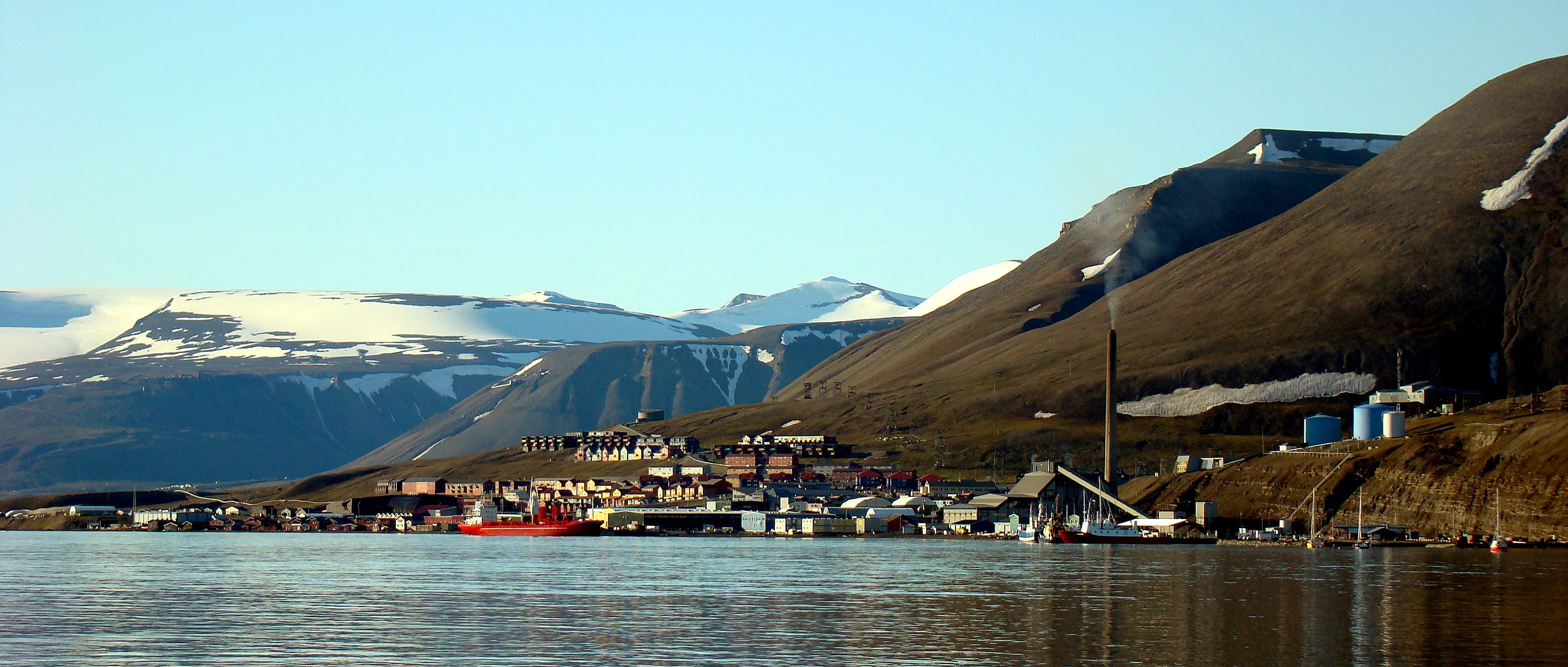
Today, Svalbard’s largest settlement is Longyearbyen, a former coal-mining outpost turned hub for research, tourism, and education. Its population is remarkably diverse, with sizable communities from Thailand, Russia, and Ukraine. The Thai community, the second-largest ethnic group, initially came during the 1970s due to Svalbard’s visa-free policies. This openness is a direct result of the Svalbard Treaty, though residents must be self-sufficient, as there is no welfare system.
Life in Svalbard is shaped by its extreme environment. Residents endure endless daylight during the midnight sun and perpetual darkness in the polar night. Avalanches and polar bear encounters are real threats, and anyone venturing beyond settlements must carry protection against polar bears. Despite these challenges, Longyearbyen has schools, shops, restaurants, and even cultural activities like festivals and art exhibitions. Smaller settlements like Barentsburg, a Russian mining town, and Ny-Ålesund, a research hub, add to the archipelago’s character.
Svalbard’s economy has shifted from coal mining to research and tourism. The University Centre in Svalbard (UNIS) attracts students and scientists eager to study the Arctic, while tourists visit for its pristine landscapes and unique wildlife. However, residents grapple with the rapid effects of climate change, including thawing permafrost and retreating glaciers.
All this leads to the final question: should you move to Svalbard? Probably not. While legally possible for many, the reality is that few people can sustain long-term residence on the island. The high cost of living, limited infrastructure, and harsh conditions make it challenging. And there’s no social safety net. So, if you can’t support yourself, you need to leave… or freeze I guess. 🥶 The fact that over 2,500 people have been able to make it in this remote Arctic outpost is a kind of incredible!
This was the Worldle today!
The north of earth, Arctic region, is one of the worst place on this rapidly warming planet to reside or move to. The earth's final tipping point is very close. But having said that, and the fact the warming period, will be followed by general global cooling period.
So Maine will be a better option. For reasons, email me on dennisdesouza991@gmail.com.
Denis CA de Souza, LinkedIn
Post Script: As per UN, our globe has only 199 countries, not 200.