

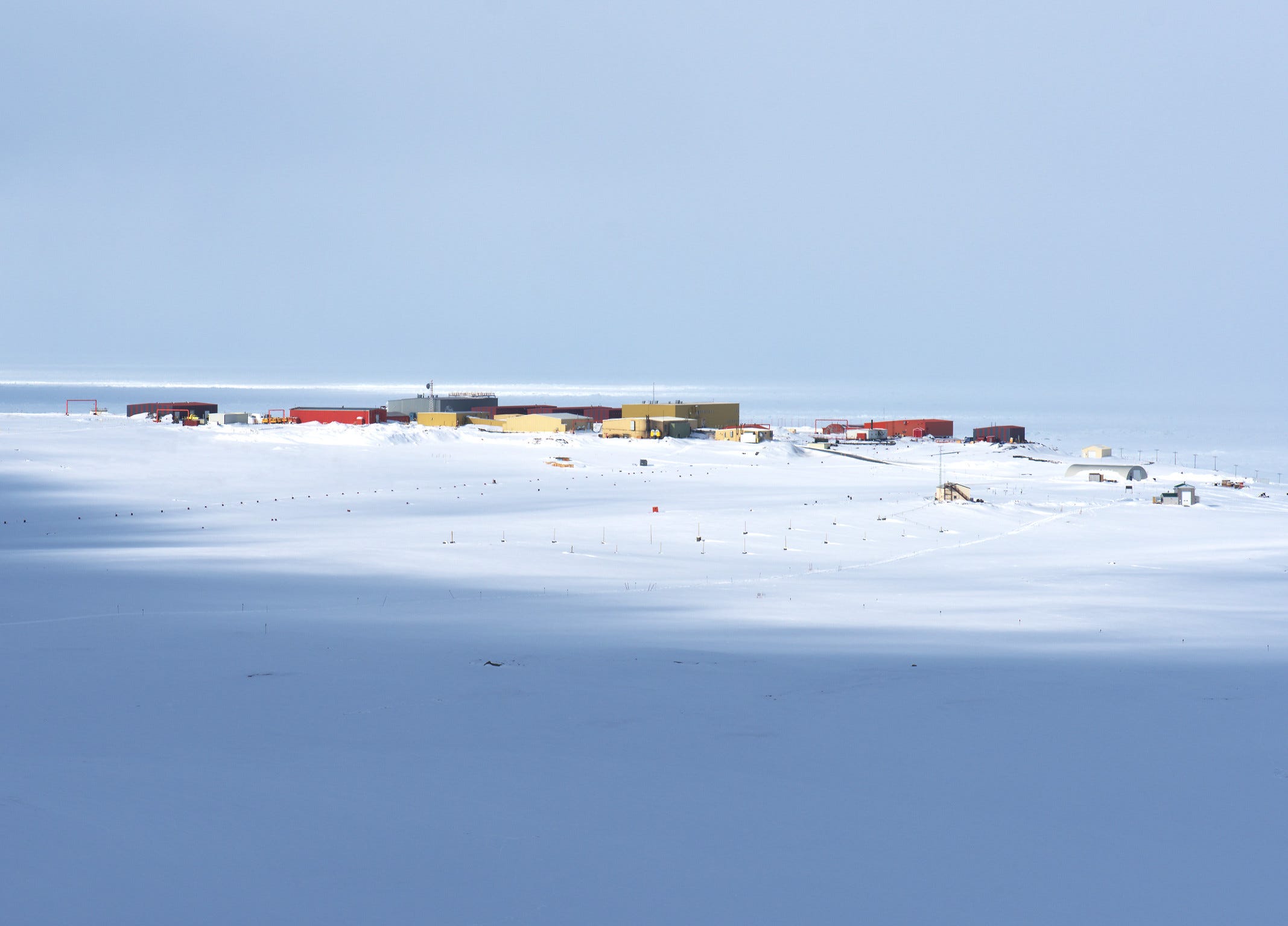
Extreme locations are always fun to explore. The highest areas. The deepest areas. The most isolated. And, of course, the southernmost and northernmost areas. But while we often talk about the southernmost research bases on Antarctica, the northernmost areas are a left out in the cold a bit. What are they? What do they do? And, before you ask, no this isn’t about Svalbard. It’s about Canada!
And, of course, if you want to learn more about Canada’s arctic more broadly, be sure to check out my video this week:
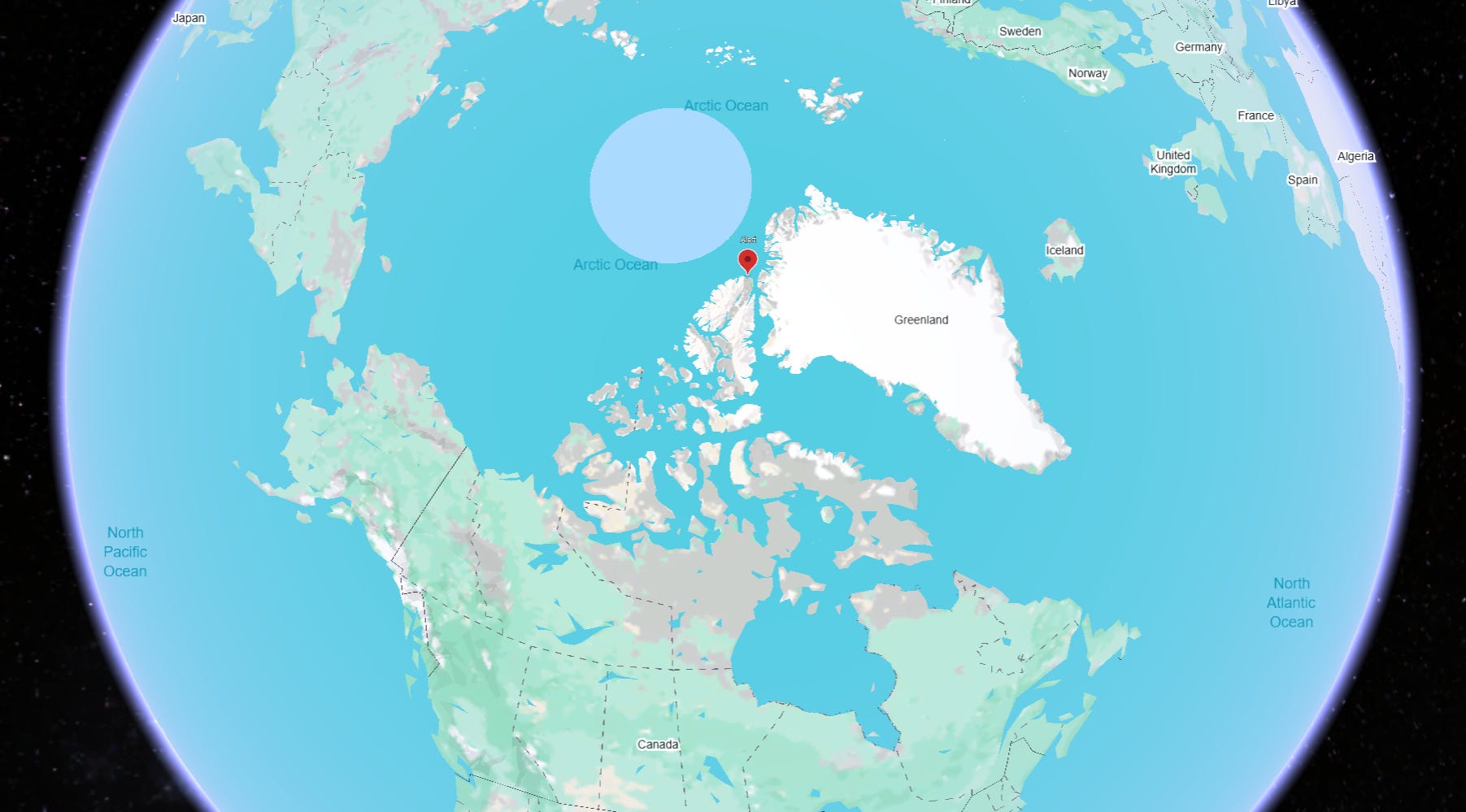
Okay, so at the very northeastern tip of Ellesmere Island, in the Canadian territory of Nunavut, is a settlement beset by extreme conditions. This is the Canadian Forces Station (CFS) Alert, the northernmost continuously inhabited place on Earth. Located just 817 kilometers (508 miles) from the North Pole, Alert is not a town in the traditional sense. You won’t find families, schools, or stores. Instead, it’s a highly strategic military and scientific outpost, populated by a rotating staff of personnel who endure months of total darkness and frigid temperatures for reasons crucial to Canadian national security and global science.
Also, you may have picked up on something here. The northernmost settlement is not actually located on the north pole. There’s a very simple reason for this: the north pole has no land. It’s just ice that’s constantly and slowly moving around. This would be very different from the south pole where the Amundsen-Scott Research Base sits almost directly on the south pole.
A strategic foothold in the Arctic
The story of Alert is fundamentally one of geography and strategy. Its existence began in 1950 as a weather station, part of a joint Canadian-American network called the Joint Arctic Weather Stations (JAWS). The location was, and remains, invaluable for weather forecasting and understanding Arctic climate patterns. The jet stream, after all, controls so much of our weather systems in the northern hemisphere.
However, its role quickly expanded with the onset of the Cold War. Alert’s proximity to the Soviet Union made it an unparalleled listening post. In 1958, it became a signals intelligence (SIGINT) facility. From this remote vantage point, military personnel could intercept foreign radio communications, providing intelligence to NATO and NORAD military bases. Today, CFS Alert remains a key unit of the Royal Canadian Air Force, contributing to Canadian sovereignty in the Arctic and monitoring the region for security and search-and-rescue operations.
But also a window into the planet’s health
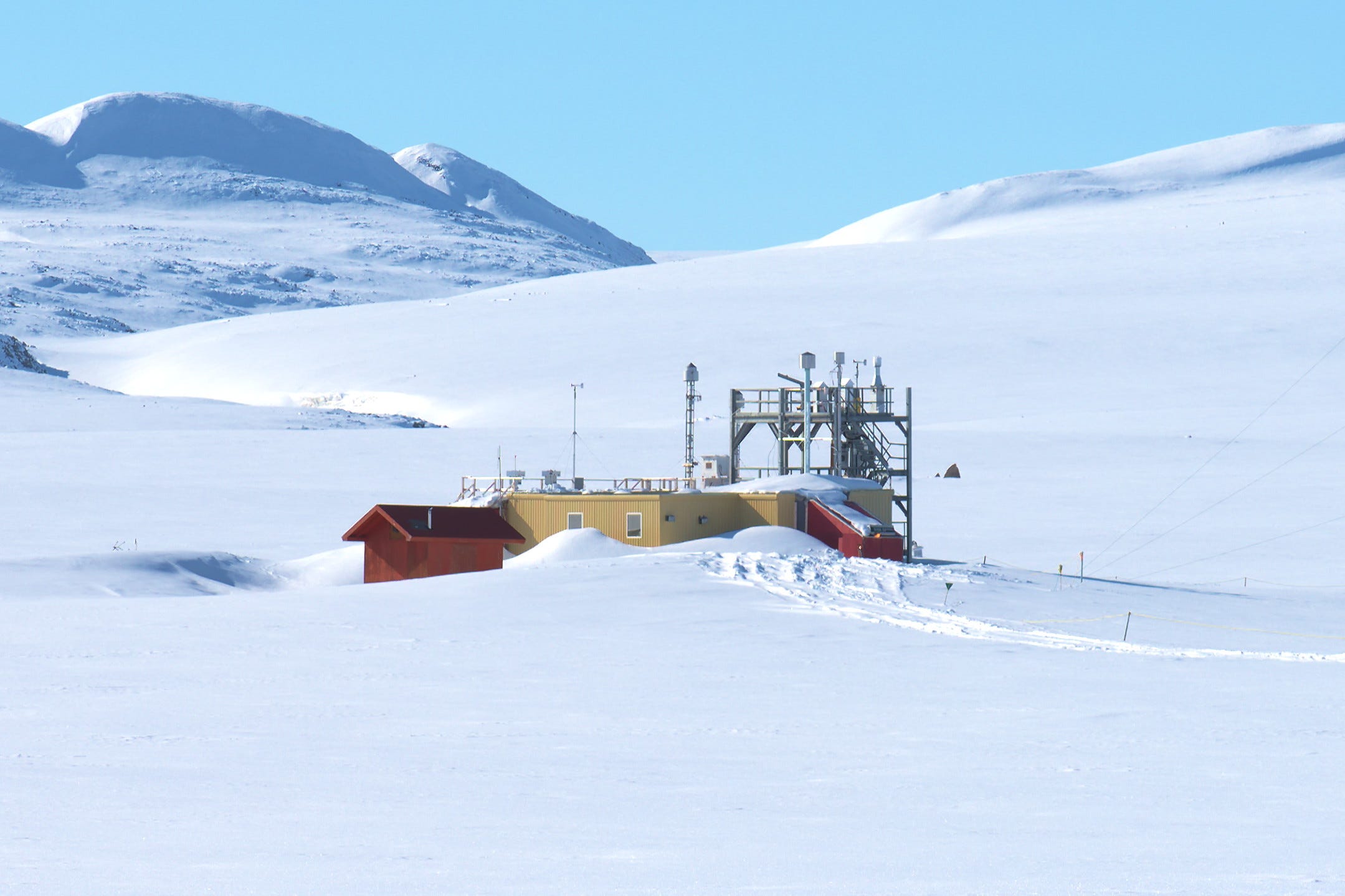
Beyond its military importance, Alert has also become one of the world’s most critical sites for climate science. It’s home to the Dr. Neil Trivett Global Atmosphere Watch (GAW) Observatory, operated by Environment and Climate Change Canada.
This high-tech lab is far removed from the pollution of major industrial and populated centers, giving it a baseline reading of the Earth’s atmosphere. Scientists monitor greenhouse gas concentrations, ozone-depleting chemicals, and airborne pollutants that drift into the high Arctic from thousands of miles away. The data collected in Alert is essential for tracking the progression of climate change, understanding how pollutants travel, and monitoring the health of the planet’s atmosphere.
It’s all very important stuff, especially given the radical climate changes we’re witnessing these days. In case you didn’t know, the arctic regions are warming about twice as fast as the average. This means we can see things happening there that will eventually trickle their way down to the southern and equatorial areas. Suffice it to say, this might be the most important reason for Alert to continue to exist today.
Life at 82° north
Unlike in the town of Longyearbyen in Svalbard, the “inhabitants” of Alert aren’t permanent residents. There are no families. No schools. No shops. The population, which hovers around 50 to 60 people, consists of Canadian Armed Forces members, Environment Canada scientists and technicians, and civilian contractors who keep the station running. They live here on temporary tours, typically lasting three to six months. In this way, life in Alert is very similar to life on one of the many research stations in Antarctica.
This also means that ;ife at the station is a unique challenge. For four months in winter, the sun never rises, plunging the station into 24-hour polar night. In summer, the sun never sets, creating four months of continuous daylight. Temperatures in winter regularly drop below -30°C (-22°F), and the record low is a staggering -50°C (-58°F). The landscape is a polar desert, rugged and barren.
Basically, I’d love to visit someday, but I’d hate to stay for long.
And that’s Alert! Not much more to say, really. But I thought it an interesting story and one that most of us probably haven’t ever heard about.
Glad I saw you do a video on Australia’s Northern Coast and found this gem! Thank you for your research and insight!
I am here through your amazing YouTube channel. You are a treasure.