


Did you know that, as of July 27th, the Korean peninsula’s demilitarized zone (DMZ) is 70 years old. That’s not the oldest, still-in-effect demilitarized zones in the world, but it stands out as probably being the most important. Were it not for this zone, the Korean peninsula would be much more unstable that it is today, and that’s saying something because I wouldn’t exactly call the region stable. It’s doing okay, but prone to tantrums by North Korea’s petulant leader: Kim Jong Un.
But this week’s article isn’t about the Korean peninsula DMZ specifically, but rather the phenomenon that is an entire zone who’s purpose is merely to not have any militarized personnel or equipment placed on it. Of course, there are plenty of places in the world that are demilitarized as their default state. But there’s also nothing inherently stopping most places from becoming militarized. My local nearby street, for example, has no military whatsoever — as far as I know, I’m not looking at it right now — but a tank could roll through it. That can’t happen in a DMZ. Or at least if it does it signals something very bad is about to happen.
What is a demilitarized zone?
At its most basic, demilitarized zones, often known as DMZs, are special areas typically established as a buffer between two or more hostile nations. These regions, devoid of any military installations or activity, are intended to serve as 'peace zones', designed to prevent armed conflicts or escalations. While not without their own controversies, DMZs have played a significant role in global security by reducing the risk of accidental wars and creating spaces for dialogue. And now that we know specifically what these are are, let’s run through some of the most famous ones.
Korean Demilitarized Zone (Korean DMZ)
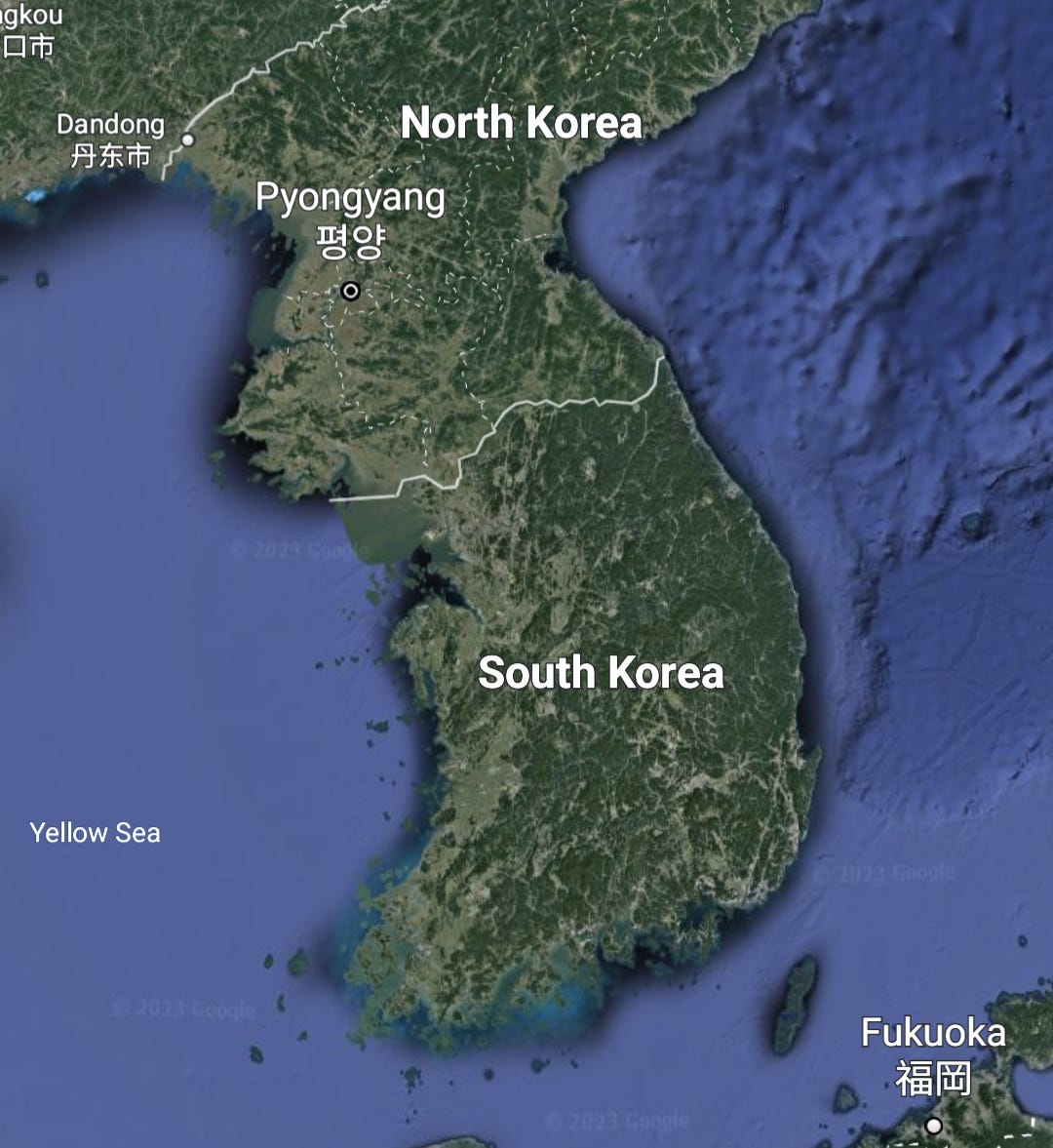
The Korean Demilitarized Zone (Korean DMZ) is arguably the most famous demilitarized zone in the world today. But despite its name, the Korean DMZ ironically remains one of the most heavily militarized areas on the planet. Now you may be asking yourself: “How does a demilitarized zone also become one of the most militarized areas on the planet?” And that’s a great question that really underscores the complexity of the Korean conflict and the very uneasy truce that still persists to this day (more on that below).
But established on July 27, 1953, at the end of the Korean War, the Korean DMZ was born out of an armistice agreement between North Korea, China, and the United Nations Command, which at the time was representing South Korea. The zone roughly traces the 38th parallel, stretching 160 miles (approximately 258 kilometers) from the Yellow Sea to the Sea of Japan. And while that’s a very long zone, the width of it is actually pretty short. The Korean DMZ is only 2.5 miles (4 kilometers) wide.
The heavily fortified Military Demarcation Line (MDL) runs through its center, serving as the official border between the two Koreas. Each side of the MDL has a 2km-wide stretch that is free of any heavy weaponry, called the Demilitarized Zone proper. However, outside of this 4km strip, both North and South Korea have built substantial fortifications.
But here’s where it gets very interesting from a geography perspective! Because the entire Korean DMZ has very little human activity whatsoever it’s inadvertently become a thriving nature preserve. The absence of human activity for more than half a century has led to the flourishing of wildlife in the area where it’s now home to numerous endangered plant and animal species, some of which are no longer found anywhere else on the Korean peninsula. This includes the red-crowned crane and the Amur leopard. Born out of the tragedy that is the Korean War has actually come something that is quite beautiful!
Jammu and Kashmir Line of Control (India-Pakistan)
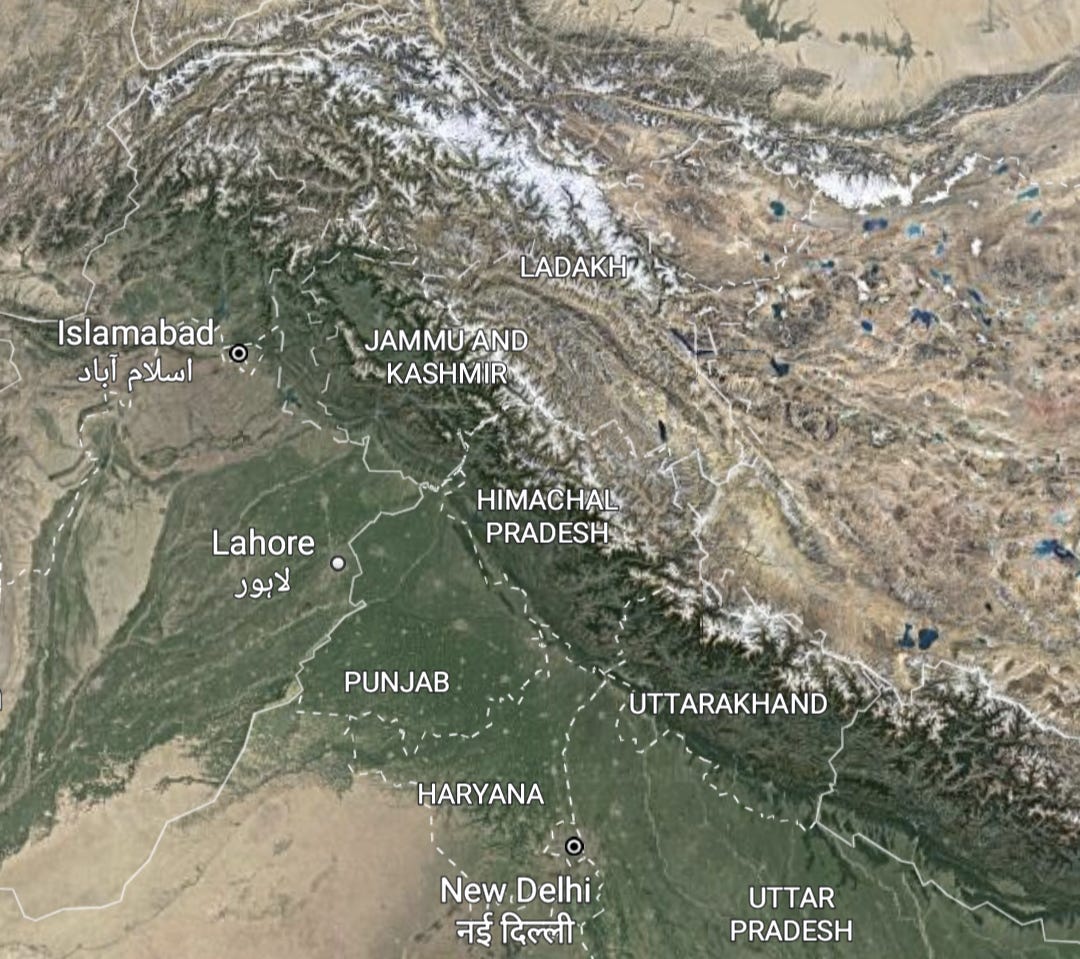
Another prominent DMZ is the Line of Control (LoC) in the Jammu and Kashmir region, separating India and Pakistan. The LoC, established following the Indo-Pakistani War of 1971, is not officially recognized as an international boundary but rather a de facto military frontier.
Despite being a de facto DMZ, the LoC has witnessed frequent skirmishes and exchanges of fire, making it a major point of contention in South Asian geopolitics. Definitely something to look out for, especially because Pakistan and India are nuclear-armed countries.
Golan Heights (Israel-Syria)
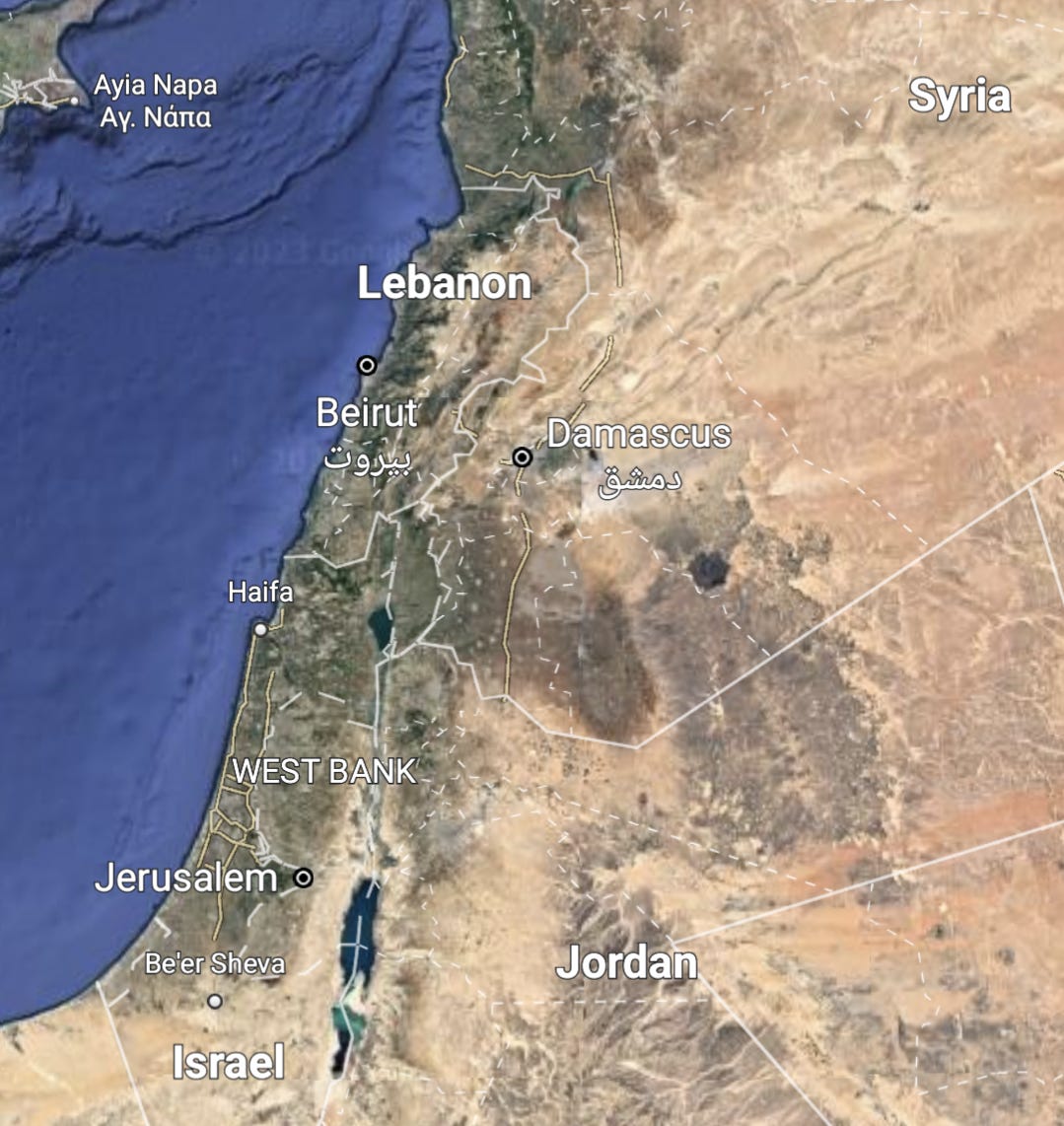
The Golan Heights, captured by Israel from Syria during the Six-Day War in 1967, is another significant demilitarized zone. Following the Yom Kippur War in 1973, a United Nations Disengagement Observer Force has maintained a buffer zone between the Israeli forces and Syrian forces.
Cyprus Buffer Zone (Greek Cypriots-Turkish Cypriots)
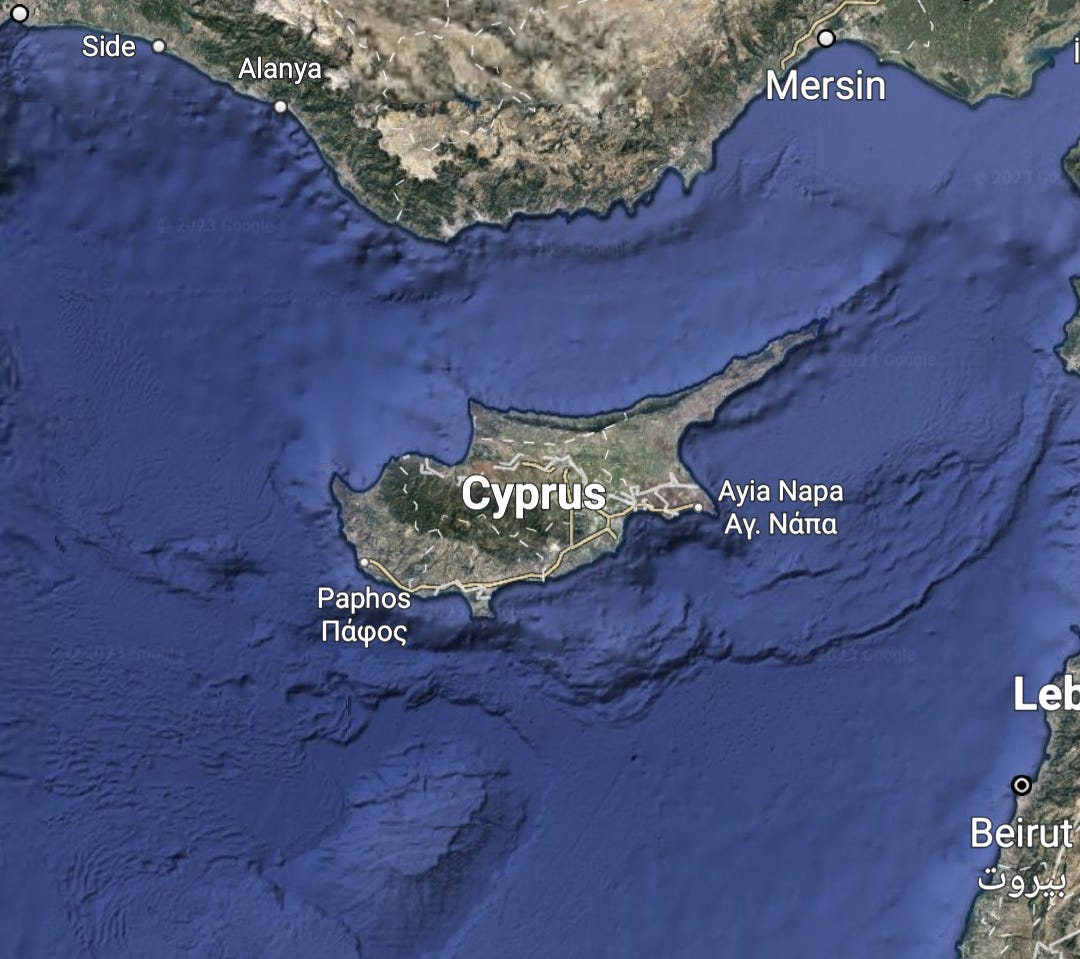
In 1974, following a period of violence between Greek Cypriots and Turkish Cypriots, the UN established a buffer zone in Cyprus. This DMZ separates the Republic of Cyprus, predominantly Greek, in the south from the Turkish-occupied north. It stretches over 180 kilometers from east to west across the island, covering about 3% of the total land area of Cyprus.
Antarctica
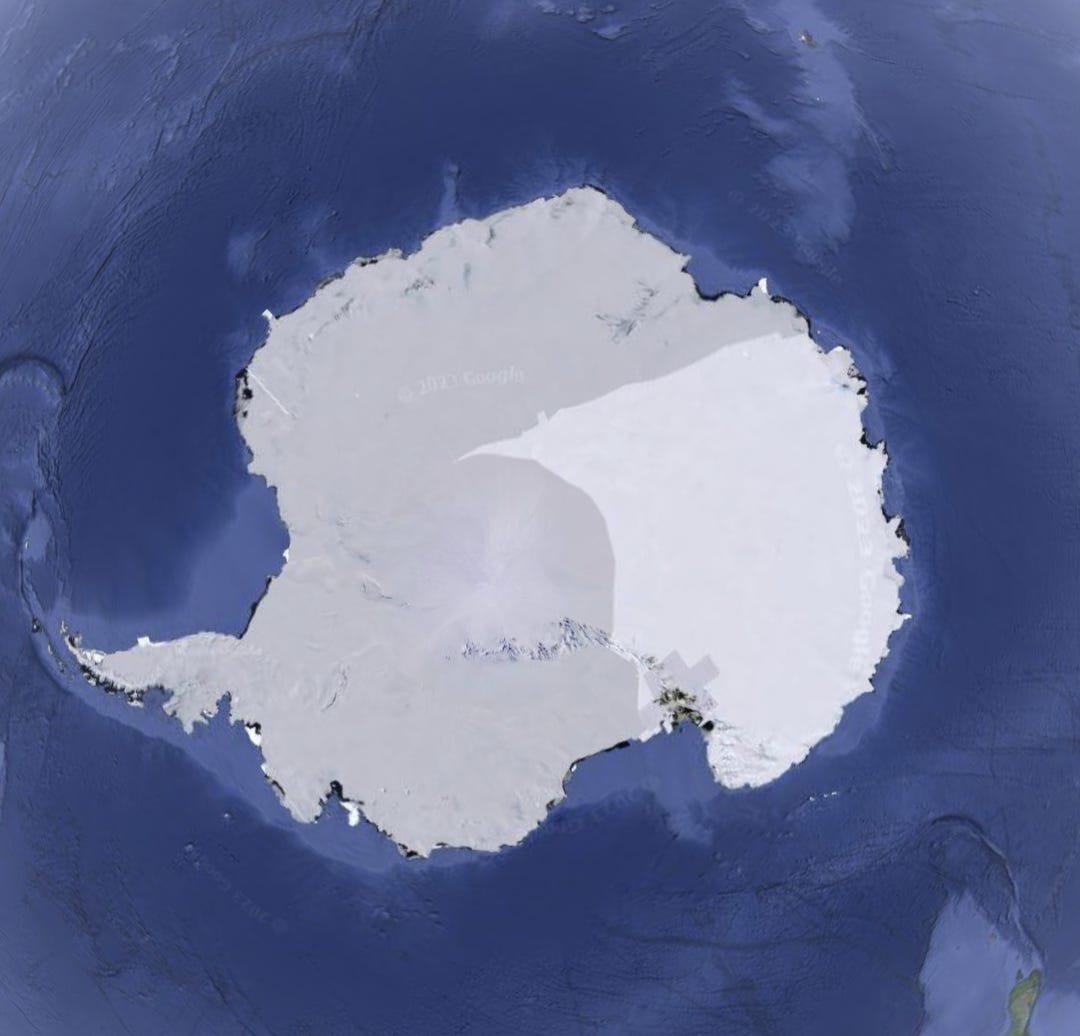
The southernmost continent of Antarctica holds a unique position in international relations. Unlike other demilitarized zones that have arisen out of conflict or territorial disputes, Antarctica has been set aside for peaceful purposes by international agreement. Governed by the Antarctic Treaty System, it is considered a "natural reserve, devoted to peace and science."
The primary goal of the Antarctic Treaty is to ensure "in the interests of all mankind that Antarctica shall continue forever to be used exclusively for peaceful purposes and shall not become the scene or object of international discord." Specifically, it prohibits any military activity, prohibits nuclear tests and the disposal of nuclear waste, and promotes scientific research and cooperation. To date it’s pretty successful! In fact, if you want to learn more about Antarctica and who “owns” it, I created a whole video about it!
The limitations of DMZs
Despite these demilitarized zones being established to maintain peace, it's important to note that they often exist due to unresolved conflicts and hostilities, Antarctica aside. These zones, therefore, continue to be some of the most contentious and sensitive areas globally. They serve as reminders of the violent conflicts and wars that didn’t have a peaceful resolution. But they also serve as a continual need for diplomatic dialogue and resolution. Bottom line: they’re very important for maintaining peace, even if it’s a tenuous one.
I toured Korea's DMZ and I can confirm it is spectacularly beautiful, including unspoiled wetlands and forests. The guide (a U.S. Army soldier armed with a holstered pistol) mentioned sometimes they encounter 3-legged deer, on account of all the landmines.