

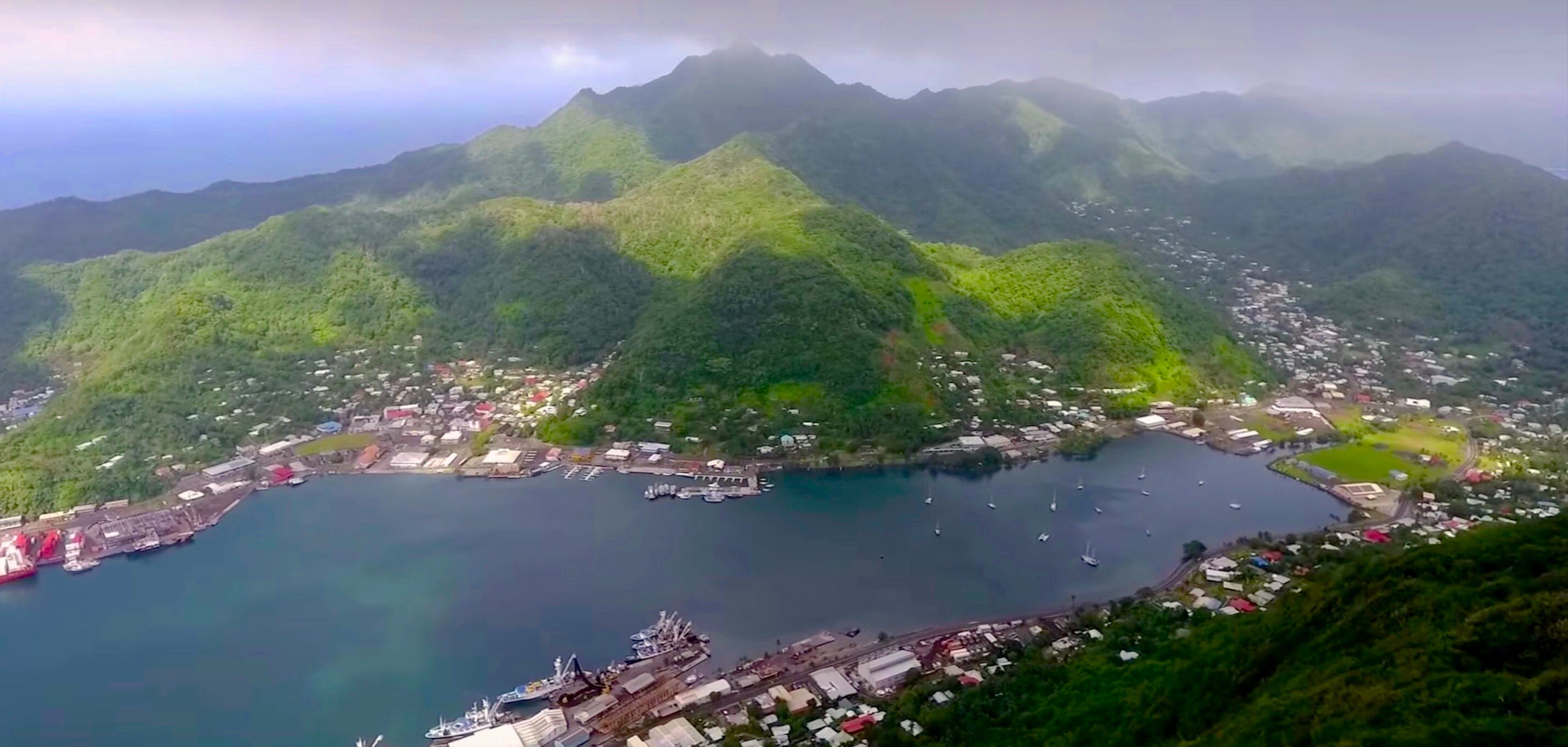
The United States has more overseas territories than many people realize. There’s Alaska and Hawaii, of course, which most people do know about as they’re both full states. But there’s also Puerto Rico and the U.S. Virgin Islands in the Caribbean, Guam and the Northern Mariana Islands in the Pacific Ocean sort of near the Philippines, and finally American Somoa in Polynesia basiaclly right in the middle of the South Pacific Ocean. But while each of these territories have limited rights when it comes to representation in the U.S. Congress — outside of Alaska and Hawaii, of course — everyone born in one of these territories becomes a full citizen of the United States, except for American Somoa and that’s definitely weird!
American Samoa's unusual relationship with the U.S.
As already stated, unlike other U.S. territories, people born in American Samoa are considered U.S. nationals but not U.S. citizens. And this can really be traced back to the unique circumstances around how the U.S. acquired the island and what the island thinks about its place within the United States as a whole. And to explain this we need to go back in time to when the islands were first starting to be colonized.
The islands were first sighted by the Dutch in the early 18th century, but it was the arrival of American and British missionaries in the 1830s that marked the beginning of significant Western influence. And as the 1800s century wore on, the islands' strategic location drew the attention of global powers. The United States, Germany, and Britain vied for control, recognizing the Somoan island chain as a potential for military and commercial advantage. This would eventually culminate in the what is called the Second Somoan Civil War.
The Second Samoan Civil War brought tensions to a head between these three superpowers. As tensions increased on the islands over who owned what, Somoans themselves allied themselves with either the U.S. and U.K. or Germany. This conflict would eventually be resolved by the Tripartite Convention of 1899 when the islands were divided, with American Samoa falling under U.S. administration, the current independent country of Samoa falling under Germany, and the U.K. getting some minor islands north of both. The convention not only settled the territorial disputes but also shaped the course of the region's history.
But American Somoa did not have a traditional course to becoming a territory, instead American Samoa was placed under naval administration. But what sets this territory apart is the way its cultural identity was preserved. Local leaders maintained traditional customs and governance, creating a distinctive blend of American oversight and Samoan heritage.
American Somoa would go on to serve as a critical naval base during both World Wars, proving the geopolitical importance of the small island. The post-war era saw a shift towards civilian governance, though naval influence remained.
Today, the territory grapples with the complexity of being from the United States without full citizenship rights. Instead those born on American Somoan soil are recognized as U.S. nationals only, a rather strange designation.
Why American Samoa residents don’t have citizenship
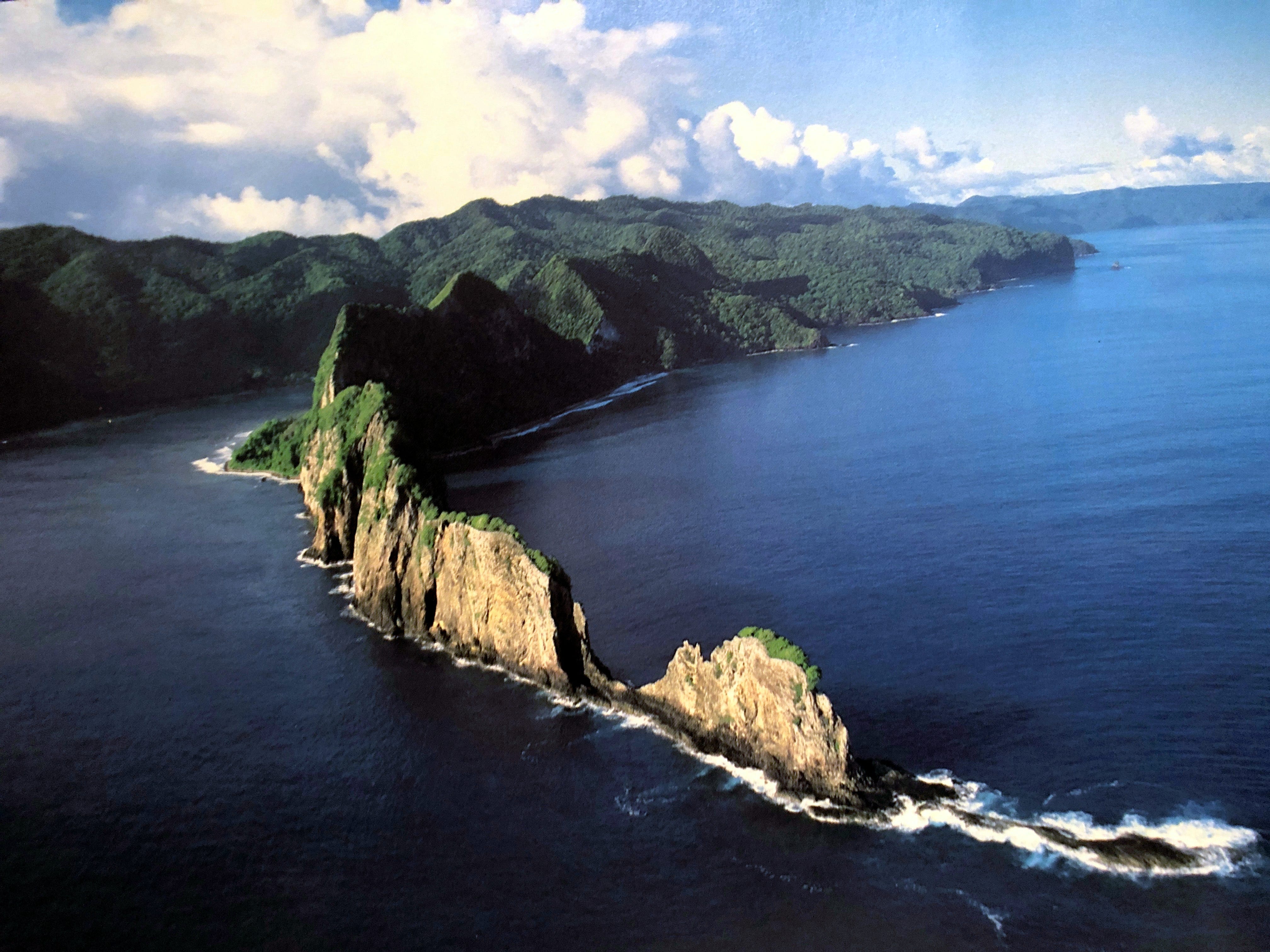
“All persons born or naturalized in the United States, and subject to the jurisdiction thereof, are citizens of the United States and of the State wherein they reside.”
So says the Constitution of the United States. And given that American Somoa is the United States, it would seem plainly obvious that those born there would be granted citizenship. But this has never materialized for the small island country.
Much of this has to do with a series of court cases in the early 1900s known as the “Insular Cases.” These court cases, which would eventually be signed off by the U.S. Supreme Court, made a number of proclamations surrounding the territories the U.S. owned, often steeped with overtly racist arguments such as that they were inhabited by “alien races.”
Today, the Immigration and Nationality Act defines American Samoans as non-citizen nationals. They hold U.S. passports but are marked "National, Not Citizen." And unlike the other territories, Congress has never passed legislation to grant citizenship at birth to those born in American Samoa, something that would be required to get there.
The legal framework behind this unique status includes the interpretation of the 14th Amendment, which guarantees citizenship to those born on U.S. soil. It has been determined not to apply to American Samoa, as reinforced by the Insular Cases. These decisions have shaped the constitutional relationship between the U.S. and its unincorporated territories.
But while this might seem like a fairly one-sided battle — i.e. American Somoans want citizenship but the U.S. government won’t allow it — it’s not actually that simple. Traditional customs, communal land ownership, and governance structures are vital to the Samoan way of life. And some local leaders in American Samoa worry that full U.S. citizenship might lead to increased federal interference, potentially eroding these cultural foundations. This concern for preserving cultural identity plays a role in the ongoing debate over citizenship rights.
The issue of American Samoa's citizenship status remains contentious. Legal challenges have been brought to the courts, and opinions within the territory are divided. The complexity of the situation extends beyond legal definitions, touching on broader themes of identity, representation, and cultural integrity. All of which only complicate the matter for everyone involved.
What does being a U.S. national mean, anyway?
People born in American Samoa are considered non-citizen nationals, as stated in U.S. law. They owe allegiance to the U.S., but they don't get full citizenship rights like voting in federal elections. They can still travel with a passport. They can move to the mainland or one of the other territories if they like. And American Somoans can even get citizenship if they want by paying a $725 fee and taking a history test, a fairly simple path to full citizenship that’s not afforded to foreign nationals trying to immigrate to the U.S.
Still, American Somoa is part of the United States so having people from there jump through any hoops to get full citizenship is kind of awful. And all of this under the fact that American Somoa provides more enlistees to the U.S. military on a per capita basis than any other state or territory. At the very least, American Somoans should just be able to sign a paper to get full citizenship if they want. That way customs and traditions can be preserved on the island, and those that want or need full citizenship can get it easily on an individual basis.
So how does this compare to other U.S. territories?
Puerto Rico: If you're born here, you're a U.S. citizen. Simple as that!
Guam: Same deal as Puerto Rico; citizenship was granted in 1950.
U.S. Virgin Islands: They've been citizens since 1927.
Northern Mariana Islands: Citizenship since 1986, but like American Samoa, there's a focus on keeping local culture alive.
"the current independent country of Germany falling under Germany" - I think you meant to say "the current independent country of Samoa falling under Germany." After WWI, control was transferred from Germany to New Zealand, and it became independent in 1962 as Western Samoa - by which it was known until 1997, when its name was changed to simply Samoa.