

Climate change is, at its most basic, very geographic. As we’ve all felt acutely over the last year, no place is really safe from the extreme weather events. But some places are more prone to it than others, particularly areas that have less wealth over all. Europe, the United States and Canada, Japan, China, and so on can and will afford infrastructural improvements that negate some of the climate change impacts. But less wealthy places such as many countries in Africa? They’re not likely able to do much.
As such, every now and then, the idea of a global carbon tax is floated around that would then go on to help these same countries to afford some of these climate change mitigations. And while it’s not a new idea, African leaders at the Africa Climate Summit in Nairobi have added their voices to the call for a global tax on carbon.
Why Africa needs a global carbon tax

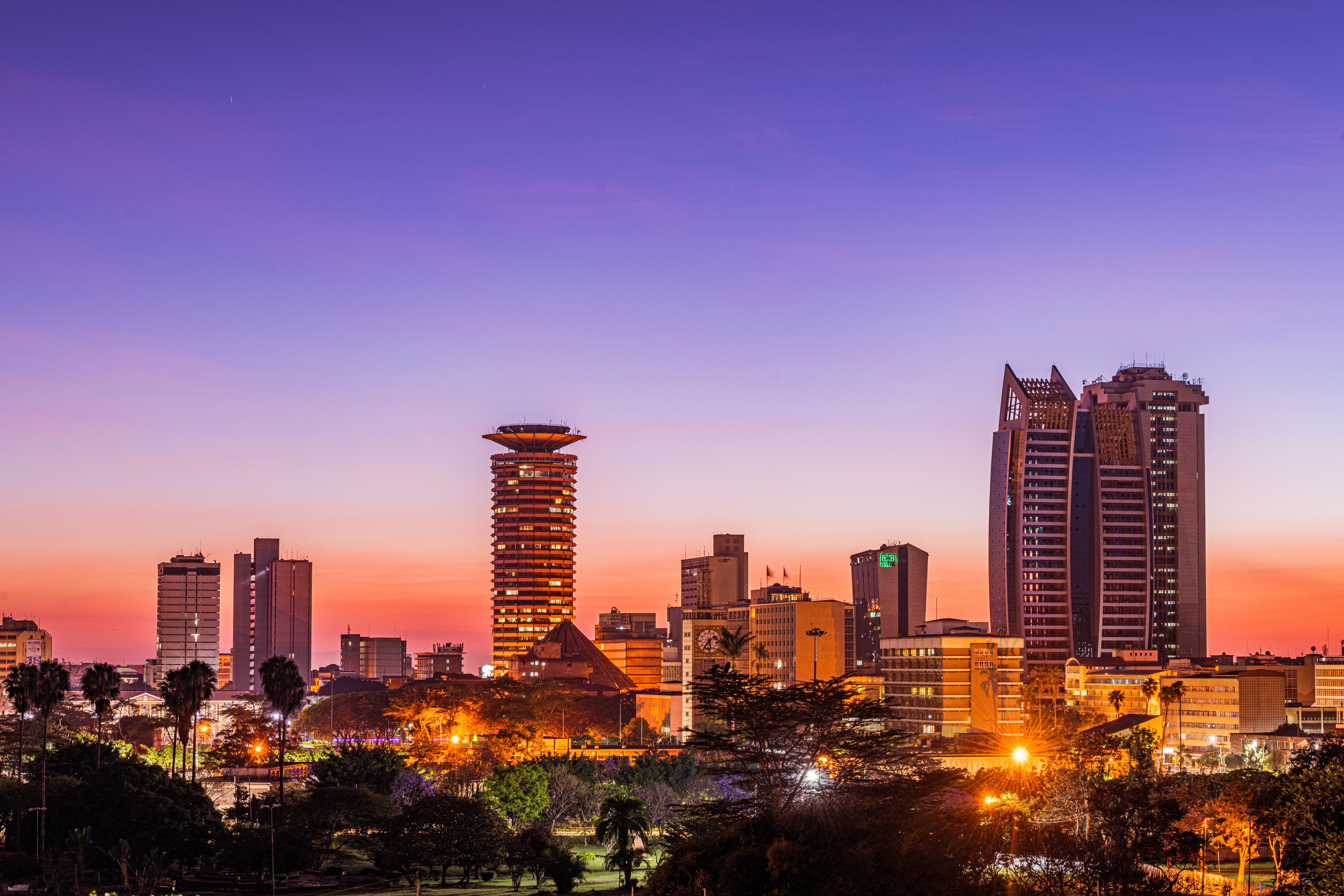
At the Africa Climate Summit in Nairobi, African leaders proposed a global carbon tax regime in a joint declaration known as the Nairobi Declaration. Released this past Wednesday, the document demands that major polluters contribute more resources to assist less wealthy countries in coping with climate change. And it’s this declaration that will serve as the basis for Africa's negotiating position at the upcoming COP28 summit, the global climate summit where countries from all over the world come together to try and make progress of slowing down climate change.
Back to Nairobi, the discussions at the Africa Climate Summit largely revolved around finding financial resources to adapt to extreme weather, develop renewable energy, and conserve natural resources. Africa is particularly vulnerable to climate change, largely due to a lack of infrastructure and the ever creeping desertification from the Sahara in the north, but only receives 12% of the nearly $300 billion in annual financing it needs for adaptation. Basically, they need $264 billion more every single year just to keep up with climate change.
To meet this need, the Nairobi Declaration specifically calls for a global carbon tax on fossil fuel trade, maritime transport, and aviation, potentially supplemented by a global financial transaction tax. The aim is to secure large-scale financing for climate-related investments.
But while the proposal has been met with praise it’s also getting some criticism. Human rights activist Graça Machel called it "a huge step forward," emphasizing that Africa has much to offer in terms of solutions and opportunities. On the other hand, some activists and analysts criticized the lack of focus on local adaptation strategies and raised concerns about the role of carbon credits, which can allow polluters to offset emissions without making substantive changes.
All of this, however, might be a moot point because wealthy countries and corporations aren’t likely to agree to such a global tax.
Why wealthy countries and corporations aren’t likely to agree

Africa’s proposed global climate tax is not a new idea. In fact, a global carbon tax has been a subject of discussion and debate for years, often touted as a practical mechanism to reduce greenhouse gas emissions and mitigate the adverse impacts of climate change. But despite its merits, the very idea of a global tax on carbon faces staunch resistance, particularly from polluting corporations and wealthy nations. Here's why.
Corporations, many of which are headquartered in wealthy countries, often argue against a global carbon tax for a simple reason: cost. Implementing such a tax would invariably increase the operating expenses for industries heavily reliant on fossil fuels, such as manufacturing, transportation, and energy production. Companies fear that these added costs would make them less competitive in the global market, leading to job losses, reduced profit margins, and potential relocation of industries to countries with laxer environmental regulations.
If these arguments sound familiar it’s because they very much are! Corporations often tout the "fear” of not being able to compete globally as a primary reason to not make any progress on basically anything whatsoever or even do very simple things like give cost of living increases. I guess what I’m saying is… 🙄.
And it’s probably not a surprise but corporations have also been investing heavily in lobbying efforts to stave off such a tax. The lobbying is not just limited to direct opposition; it also includes promotion of "alternative solutions" like carbon credits, which allow companies to offset their emissions without necessarily reducing them. This approach has been criticized for providing a kind of "get out of jail free card," allowing corporations to continue with business as usual while appearing to be environmentally responsible.
Wealthy countries such as the United States also show resistance, but for another set of reasons. First, these countries often have the most to lose in terms of global competitiveness. Industries based in countries with strict carbon taxation could find themselves out-competed by those in nations where environmental regulations are lax or non-existent. Secondly, wealthy countries often argue that a global carbon tax would be an infringement upon their sovereignty. The idea that an international body could dictate tax policy is a contentious issue, even when the goal is as universally important as combating climate change.
Lastly, there's the issue of geopolitical power dynamics. Wealthy countries, which are often the largest polluters, have historically been reluctant to cede control or accept regulations that they perceive as detrimental to their national interest. In international negotiations, these countries can wield considerable influence to water down or block proposals that they find unfavorable.
So, while Africa’s efforts are valiant and they will be loud at COP28, they’re likely to face stiff resistance from the usual suspects. But for my part, I hope they manage to get something rolling.
In my opinion, what the world needs - at least as much as to fight climate change (probably more) - is to conserve as many species and as much biodiversity as possible. The loss of ecosystem services from development, poaching, invasive species, etc. contributes to more flooding, more zoonotic viral pandemics such as Covid-19, and less naturally-generated pest control and pollination. While the loss of ecosystem services and the other consequences of ecological degradation are less visible to us humans than extreme weather events, they deserve far more media and public attention than they get, and they should get even more attention than climate change.